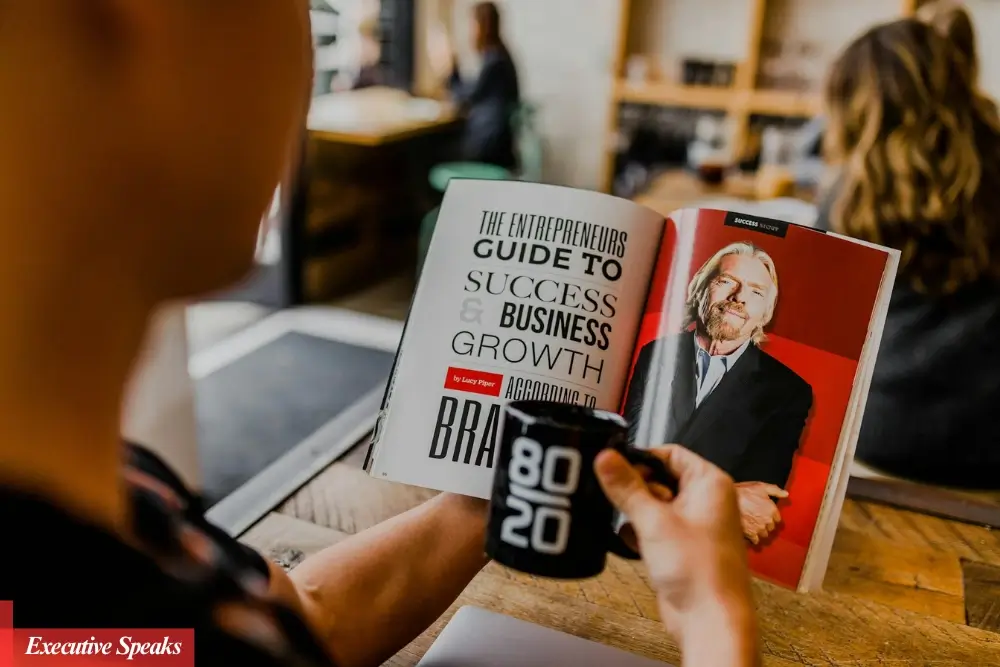
Scroll through almost any respected business magazine and you'll see familiar company names appearing again and again. It's easy to assume those businesses simply have bigger marketing budgets or better connections. The reality is usually much simpler. They know how to tell a story that editors believe their readers will enjoy.
That's an important difference. Journalists aren't searching for companies that want free publicity. They're searching for ideas, trends and experiences that make an interesting article. Businesses hoping to appear in respected best industry magazines first need to understand the publications they are pitching. .
Several services help businesses secure placements in industry magazines, from public relations and media outreach to digital PR and founder storytelling. They help businesses present the right story, reach the right people and build relationships with the publications that matter.
Why being featured still matters
Strong media coverage can also help businesses during their early growth stages where making the first 100 customers matters the most. People rarely make decisions based on a company's website alone. Before buying a product or contacting a supplier, they'll often search for independent information. If they come across an interview, a founder profile or a feature in a trusted publication, it immediately adds credibility.
Magazine coverage also creates opportunities that aren't always obvious. A single article can introduce a business to potential partners, attract speaking invitations, improve search visibility through quality backlinks and even start conversations with investors. Those benefits often last much longer than a paid advertising campaign.
It's rarely about sending one press release
Many businesses believe the process starts and ends with a press release. In reality, that's only one small part of the picture.
Editors receive countless announcements every week. Most are forgotten within minutes because they read like advertisements instead of stories.
A better approach is to ask a simple question before writing anything: Would someone outside my business genuinely find this interesting?
If the answer is yes, there's a much stronger chance an editor will think the same.
Public relations is about finding the story
Good PR isn't about convincing journalists to write about a company. It's about discovering the angle that already deserves attention.
The Public Relations Society of America (PRSA) offers resources and professional standards that explain how strategic public relations supports long-term business growth.
Sometimes that's a founder who solved a problem after years of industry experience. Other times it's original research, a unique business model or an innovative way of serving customers.
Experienced PR professionals spend time understanding the business before they ever contact a publication. They know that a thoughtful pitch almost always performs better than a promotional one.
Media outreach makes the difference
Even the strongest story can go unnoticed if it reaches the wrong person.
Media outreach focuses on identifying journalists who regularly cover a particular industry and approaching them with something that fits their audience.
A technology editor won't necessarily be interested in the same topics as someone writing for a healthcare or retail publication. Tailoring each pitch takes more effort, but it also shows respect for the editor's time.
That's one reason businesses often work with professionals who already understand different publications and their editorial style.
Digital PR goes beyond traditional publicity
The way journalists discover stories has changed.
Today they often look for expert opinions, industry data and useful research online. Businesses that consistently publish valuable content are much easier to find when reporters need reliable sources.
Digital PR combines media outreach with content marketing. Instead of chasing one article, it helps businesses build a reputation over time. Eventually, journalists begin approaching the company rather than the other way around.
Platforms like Muck Rack provide research and reports on how journalists prefer to receive pitches and what makes a story stand out.
Founder stories often leave the biggest impression
Products change. Markets change. Technology changes.
People, however, remember stories.
A founder who turned a personal challenge into a successful business is often far more interesting than another announcement about a product launch. Readers connect with setbacks, lessons learned and moments that shaped a company.
That's why founder interviews continue to appear across business publications. They're personal, relatable and usually offer practical insights that others can learn from.
So, do you actually need a PR agency?
The honest answer is, not always.
Some startups successfully earn media coverage on their own because they have a genuinely interesting story and the time to build relationships with journalists.
As businesses grow, though, media outreach becomes harder to manage alongside daily operations. Preparing pitches, following editorial calendars and speaking with journalists all require time and experience.
For businesses that want regular media exposure rather than an occasional feature, professional support often becomes a worthwhile investment.
What editors really want
This is where many businesses get it wrong.
Editors don't wake up looking for companies to promote. They're looking for stories that help their readers understand something new.
That could be a business responding to an industry challenge, original research that reveals a trend, practical advice from an experienced founder or lessons learned from building a successful company.
If the story teaches, inspires or informs, it already has a stronger chance of being published.
Common mistakes that quietly hurt your chances
One of the biggest mistakes is trying too hard to sell.
Long emails packed with marketing language usually disappear into crowded inboxes. The same happens when businesses send identical pitches to every publication without considering whether the audience is relevant.
Patience matters too. Media relationships develop over time. One rejection doesn't mean the story lacks value. Sometimes the timing simply isn't right.
Businesses that consistently share useful ideas are far more likely to earn attention than those that only reach out when they want publicity.
Understanding what services help businesses secure placements in industry magazines allows businesses to choose the right strategy for building long-term credibility.
Frequently Asked Questions
What services help businesses get featured in industry magazines?
PR agencies, media outreach specialists and digital PR professionals help businesses connect with journalists and present stories that are relevant to a publication's audience.
Can a small business get featured in a magazine?
Absolutely. Many magazines regularly feature smaller businesses with unique ideas, interesting founders or valuable industry insights.
Do press releases still work today?
Yes, but only when there's genuine news behind them. A press release works best as part of a wider media outreach strategy.
How can I improve my chances of getting media coverage?
Start by thinking like an editor. Ask yourself whether your story is useful, timely or interesting enough for someone outside your business to read.
Is hiring a PR agency worth it?
If media visibility is an important part of your growth strategy, a PR agency can help you save time, build relationships and improve your chances of earning meaningful coverage.