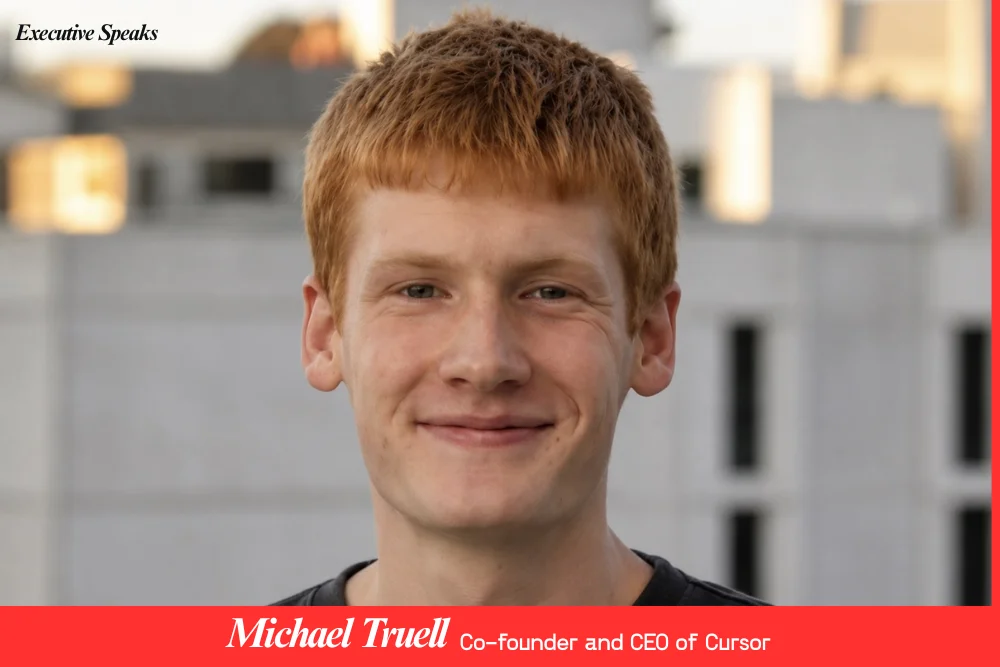
A new generation of technology founders have emerged with the revelation in artificial intelligence. They tend to redefine the operation of business functions with the integration of advanced AI support. Among them stands Michael Truell, the co-founder and CEO of Cursor, an AI-powered coding platform that has become one of the most discussed startups in the software development industry.
Cursor AI aimed at resolving a specific problem rather than attempting to interfere in several issues, which is one key reason why it gained prominence. This AI-powered coding platform helps developers write better code, faster. This focused approach has helped the company in achieving exceptional growth and position itself as a prime competitor in the rapidly expanding market for AI coding assistants.
Entrepreneurs can absorb valuable lessons from Cursor founder, Michael Truell's, journey towards success. It also informs business leaders and startup owners who aim at bringing in innovation within their organization to keep their competitive edge.
Who Is Michael Truell?
Michael Truell belongs to a new generation of AI founders who recognized the potential of artificial intelligence in bringing drastic changes in the business sector before it became a priority among business organizations.
Truell had a strong technical background with which he identified an opportunity that many organizations ignored. Developers around the globe spend countless hours in writing, debugging, and reviewing code, which was strenuous and made companies less productive. While software engineering remained one of the world's most important professions,a stagnation was experienced in productivity and the gains it brought.
Truell found an effective solution for this. Instead of aiming at the creation of an AI product that can be used for general purposes, Truell and his team focused on building tools which were specifically designed for developers.
This decision would become the foundation of Cursor's success story.
What Problem did Cursor Set Out to Solve?
Software developers depended on code editors that have been under use traditionally and on practices of manual programming.
We can admit that this led to the slow enhancement of the development tools. However, many coding tasks remained repetitive and time-consuming.
The addition of artificial intelligence which could act as a coding partner rather than simply a search tool opened up new possibilities.
Michael Truell saw an opportunity to help developers:
-
Write code faster
-
Reduce repetitive tasks
-
Debug more efficiently
-
Improve productivity
-
Spend more time solving complex problems
Instead of replacing developers, Cursor aimed to make them more effective.
This philosophy helped the company gain trust within the developer community.
Leadership Lessons from Michael Truell
Several significant lessons can be learned from Michael Truell's journey, specifically for founders and business leaders.
Focus on Real Problems
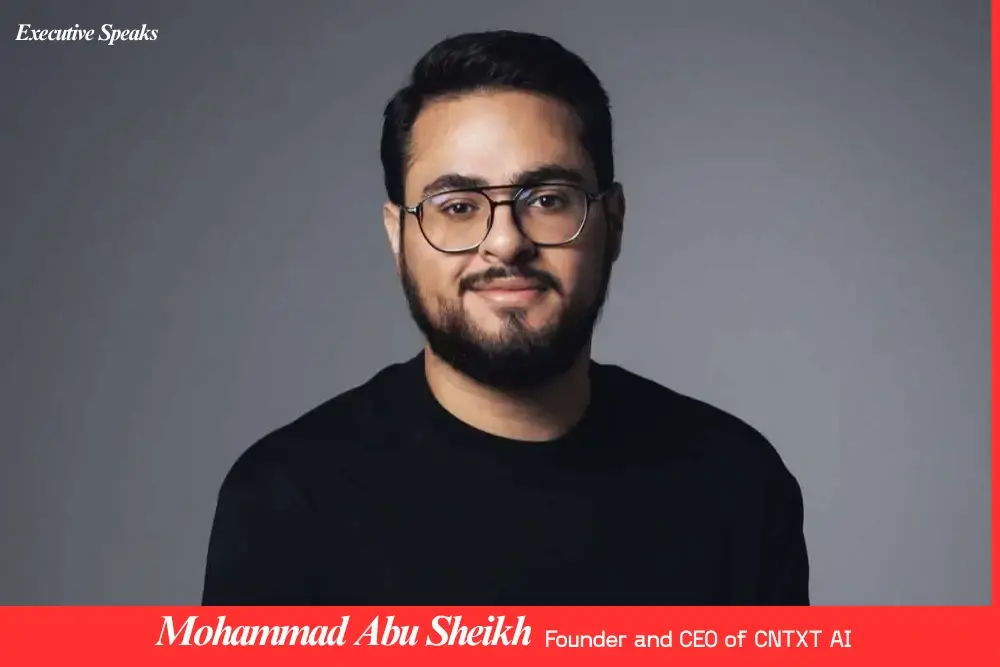
Many startup leaders begin with technology and then search for a problem to solve. Concentrating on problems that are mostly overlooked by other companies often fetch you success. In this case Truell is similar to the founder of CNTXT AI, Muhammad Abu Sheikh who built the Arabic AI infrastructure that was overlooked by the world.
Cursor took the opposite approach.
The company identified a genuine challenge faced by developers and built a solution around it.
Simplicity Creates Adoption
Successful products often appear simple because they remove complexity for users and make it easy for them, aiming at customer retention to drive business growth.
Cursor focused on creating an intuitive experience rather than overwhelming users with features.
Execution Matters More Than Ideas
Many entrepreneurs recognize opportunities.
Far fewer execute effectively.
Cursor's growth demonstrates that disciplined execution often separates successful startups from failed ventures.
Adapt to Emerging Markets
Artificial intelligence continues to evolve rapidly.
Rather than waiting for the market to mature, Cursor positioned itself at the center of a growing trend and adapted as opportunities emerged.
What Entrepreneurs Can Learn from Cursor's Success
The success of Cursor highlights several principles that apply beyond the technology sector.
Entrepreneurs should:
-
Solve meaningful customer problems
-
Focus on user experience
-
Build products people genuinely want
-
Prioritize execution over hype
-
Stay adaptable in changing markets
These principles have helped some of the world's most successful companies grow from small startups into industry leaders.
While every entrepreneurial journey is unique, the foundations of sustainable growth remain remarkably consistent.
Frequently Asked Questions
Who is Michael Truell?
Michael Truell is the co-founder and CEO of Cursor, an AI-powered coding platform designed to help developers write and manage code more efficiently.
2. What is Cursor AI?
Cursor is an AI coding assistant that helps developers write, edit, debug, and understand code faster using artificial intelligence.
3. Why is Cursor considered a fast-growing startup?
Cursor gained rapid popularity by addressing real developer challenges and leveraging the growing demand for AI-powered software development tools.
4. What leadership lessons can entrepreneurs learn from Michael Truell?
Entrepreneurs can learn the importance of solving real problems, focusing on user experience, and executing ideas effectively in competitive markets.
5. How is Cursor changing software development?
Cursor enhances developer productivity by integrating AI directly into coding workflows, helping engineers work faster and more efficiently.