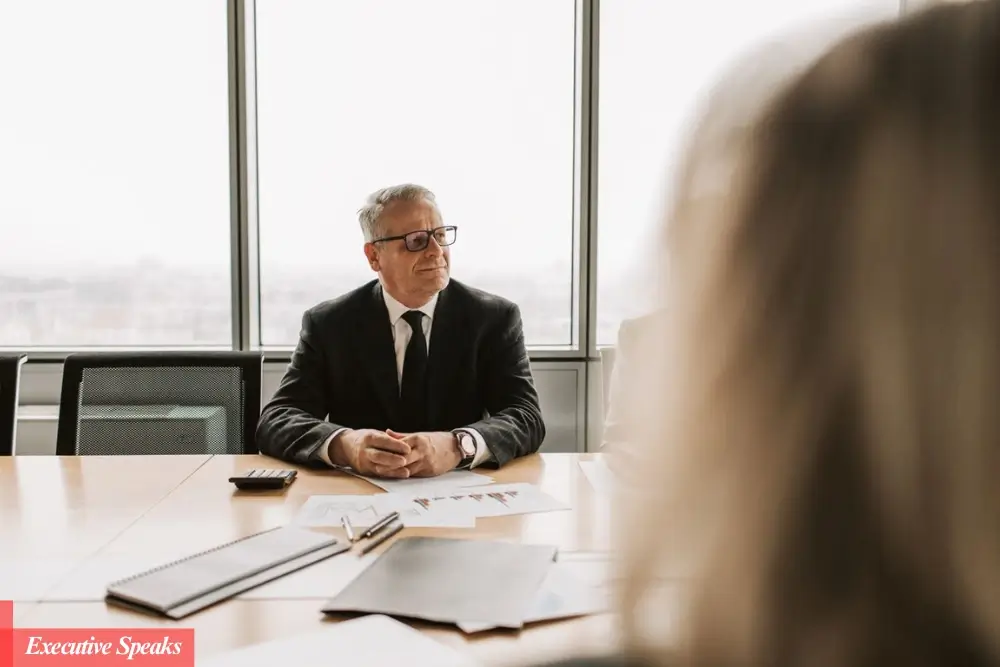
Have you ever wondered "What does a CEO do all day"? The truth of the matter is quite simple – the CEO devotes most of their time to decision-making, managing employees, and long-term planning for the company. The idea of spending your days ordering others around is not at all what it means to be a CEO; it means being responsible for whatever drives the company forward.
Getting to the Crux of a CEO
The CEO is the person who oversees the strategic goals and operations of the company. It is part of his/her job to set an overarching vision of the company's operations and make sure that it is followed by all teams.
Unlike other managers, CEOs are not involved in dealing with everyday affairs but rather concentrate on higher-level activities such as financial management and ensuring organisational harmony. According to data published in Harvard Business Review, more than 72% of the time CEOs spend on meetings and discussions.
Realistic Look into a CEO’s Schedule
Every day is unique, but there is a certain pattern followed by CEOs, driven by priorities, people, and endless decision-making.
1. Morning: Concentration and Priorities
Most CEO schedules start early in relative silence. The morning hours provide opportunities for CEOs to concentrate on work. They assess the latest information, examine performance metrics, and establish priorities for the day.
It is during this period that CEOs make critical decisions since their concentration is at its highest, and there are no disturbances.
2. Midday: Decision-making and Strategic Meetings
During midday, the CEO's time is consumed by meetings that are crucial for business. Such conversations do not serve only as information-gathering sessions but also end up influencing company-wide decisions.Talks might be related to leadership developments, strategy formulation, and communication with investors.
3. Afternoon: Problem-Solving and Strategic Thinking
The next question is what does a CEO do in the afternoon? While the afternoon hours are relatively unstructured, they are no less busy. Unforeseen problems may emerge, such as a dip in sales or a personnel issue that needs addressing.
In addition, executives need to continue to think ahead and develop their vision for the company. This involves looking into opportunities, evaluating threats, and strategising accordingly to remain relevant.
4. Evening: Reflection and Planning
Despite the possibility of slowing down at this stage of the day, there are still many things that need to be done.CEOs answer critical emails, reflect on their achievements and failures, and plan for the following day.
Moreover, they dedicate some time to research and learning. They read reports, gain insights into industry trends, and evaluate their own performance. Many of these habits are established during the first 90 days of a CEO, when setting priorities and building effective leadership routines can have a lasting impact.
Skills that Influence a CEO’s Daily Activities
Not only do activities influence a CEO’s routine, but also his/her attitude toward them. Thinking strategically gives an advantage of seeing the big picture rather than getting distracted by urgent issues. Communicating enables them to make sure that everyone understands their goals and directions.
Moreover, making decisions makes a CEO’s daily routine go without any obstacles.
Conclusion
And now, you already know what does a CEO do on their job? In general, their work consists of constant thinking, decision-making, communication, and adapting to the current state of affairs.There is a person behind a title who has to withstand stress, make tough decisions, and determine the fate of the company with each choice.