The traditional process of buying a home involved buyers inspecting every room of the house and the neighborhood. Most buyers also return for a second look before making an offer. This process is changing.
More buyers are now purchasing properties without physically visiting them first. The practice is commonly known as buying a house sight unseen.
With the advancement in technology, buyers have a huge variety of options. They can search for properties online and take virtual tours of the properties. Besides, they can also manage payment and other transactions remotely. For people relocating, investing in another city, or competing in a fast-moving property market, sight unseen home buying can offer a practical alternative to repeated travel.
But why are more people willing to buy a home they have never physically visited?
What Does Buying a House Sight Unseen Mean?
Buying a house sight unseen means that you are not purchasing a property after making a physical visit in person, but still you make an offer or complete the purchase.
This does not necessarily mean the buyer has no clue about the home.
A sight unseen buyer may go through property photographs and review floor plans. Besides, such buyers also view the house through a virtual home tour. The are even estate agents who provide a walking video tour of the house.
The main difference is simple: the buyer does not physically walk through the home before deciding to purchase it.
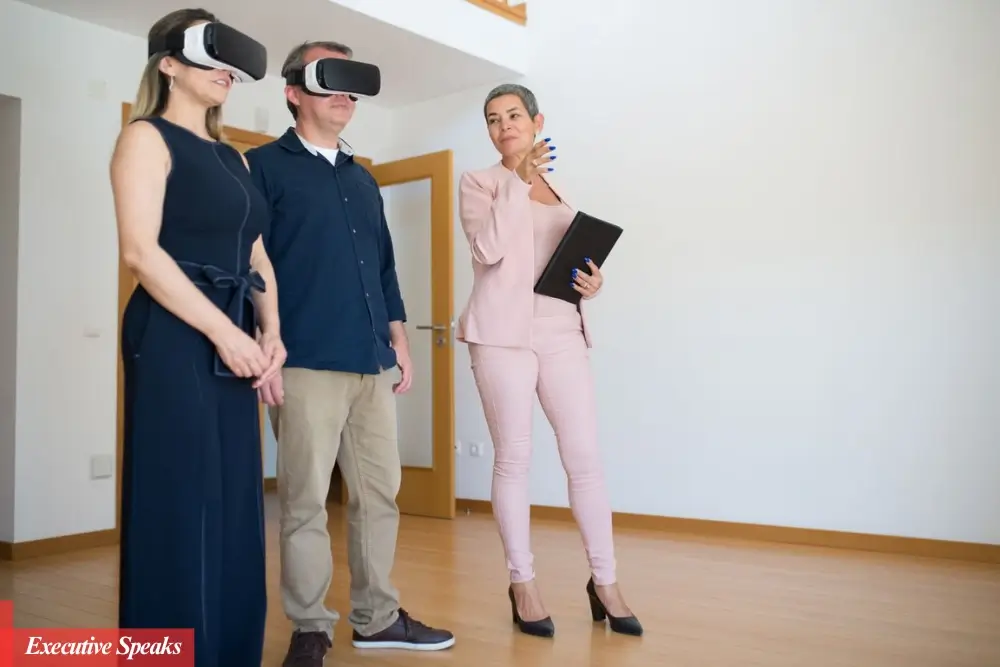
How Virtual Home Tours Give Buyers a Better View
With the advancement in technology, there is huge enhancement in virtual property tours, which has made buying a house without viewing the property physically has become more practical and common. Real estate platforms such as Zillow now offer 3D home tours and interactive floor plans that help buyers understand a property's layout remotely.
Even though agents provide the photographs of the property, they do not provide a complete view of the property. There might be unseen problems. For instance if the agent chooses a specific camera angle the room might appear larger or can draw attention from features that are less attractive.
Virtual home tours allow buyers to explore the layout more closely. Some property listings also include interactive 3D tours and detailed floor plans. Some premium agents also provide drone footage of the surrounding area for a clear understanding to the buyer, which also increases trust of their clients.
These tools cannot completely recreate an in-person property viewing. However, they can give remote home buyers a clearer understanding of how rooms connect and how the property is arranged.
For a buyer living hundreds or thousands of miles away, this additional information can make a significant difference.
Live Video Walkthroughs Put Buyers in Control
A professionally prepared virtual tour shows the property in a carefully presented format.
A live video walkthrough can offer something different.
During a video call, a real estate agent can walk through the property while the buyer watches remotely. The buyer can ask to see specific rooms, storage spaces, flooring, appliances, or the view from a particular window.
They can even ask the agent to revisit areas that look unusual.
This gives sight unseen buyers more control over what they see instead of relying entirely on listing photographs.
For real estate agents, working with remote buyers also requires a different approach. Clear communication and detailed property information become particularly important when the buyer cannot inspect the home personally.
Digital Property Transactions Make Remote Buying Easier
Viewing the property is only one part of purchasing a home.
Real estate transactions traditionally involve documents, signatures, meetings, and communication between several parties. Digital tools have made many of these processes easier to manage remotely.
Buyers may be able to review documents electronically and communicate with agents, lenders, lawyers, and other professionals without being in the same location.
Real estate automation is also helping property professionals manage client communication, administrative tasks, and follow-ups more efficiently.
These changes mean physical distance is becoming less of an obstacle during the home-buying process.
Real Estate Investors Are Comfortable Buying Remotely
Sight unseen home buying is not limited to people looking for a place to live.
Property investors may be particularly comfortable buying real estate remotely.
An investor's decision may focus on rental demand, property condition, operating costs, location data, and potential returns. Investors managing properties in different cities may not have the time to personally visit every home.
Instead, they may rely on local real estate agents, independent inspectors, contractors, and detailed property reports.
For experienced investors, buying a house remotely may simply be part of managing a wider property portfolio.
For real estate professionals, building strong relationships remains important, especially when working with clients remotely. Effective business networking can also help agents build professional connections and expand their referral networks.
What Are the Risks of Buying a House without seeing it?
Buying a house sight unseen still carries genuine risks.
A virtual tour cannot always show what it feels like to stand inside a home. Buyers may miss street noise, traffic problems, unpleasant smells, or issues with the surrounding neighbourhood.
Online property listings can also create unrealistic expectations.
Professional photographs and videos are designed to present a property positively. A buyer may become emotionally attached to a home before receiving independent information about its condition.
This is why sight unseen buyers should avoid relying entirely on property marketing materials.
An independent property inspection can help identify potential structural or maintenance problems. Buyers can also research the neighbourhood, study local maps, check nearby amenities, and ask someone they trust to visit the property when possible.
Buying remotely should not mean buying without research.
Should You Buy a House Sight Unseen?
There is no simple answer.
Buying a house sight unseen may make sense for someone relocating for work, purchasing an investment property, or trying to buy in a competitive market.
For other buyers, physically visiting the home may remain an essential part of the decision.
The key is the quality of the information available.
A buyer who has completed a virtual tour, arranged a live video walkthrough, reviewed the property documents, researched the neighbourhood, and obtained an independent inspection may understand the property better than someone who attended a rushed ten-minute viewing.
Sight unseen home buying works best when technology is combined with careful research and reliable local professionals.
Is Sight Unseen Home Buying the Future of Real Estate?
Most homebuyers will probably continue to visit properties in person whenever possible.
However, buying a house sight unseen is unlikely to disappear.
Relocating professionals, international buyers, and real estate investors are already comfortable managing parts of the buying process remotely.
Technology has made it easier to view properties, communicate with agents, and handle documents from almost anywhere.
The biggest change is that distance no longer automatically prevents someone from seriously considering a property.
Frequently Asked Questions
Can you buy a house without seeing it in person?
Yes. This is called buying a house sight unseen. Buyers can use virtual tours, video calls, photos, and property inspections to check the home remotely.
Is it risky to buy a house sight unseen?
Yes, there can be risks. Photos and virtual tours may not show every problem. Getting a professional property inspection can help reduce the risk.
What are the pros and cons of buying a house sight unseen?
It can save time and help buyers act quickly. However, buyers may miss problems they would notice during an in-person visit.
Can you back out of buying a house sight unseen?
It depends on the purchase contract and local laws. Some buyers may be able to back out if the agreement includes inspection or financing conditions.