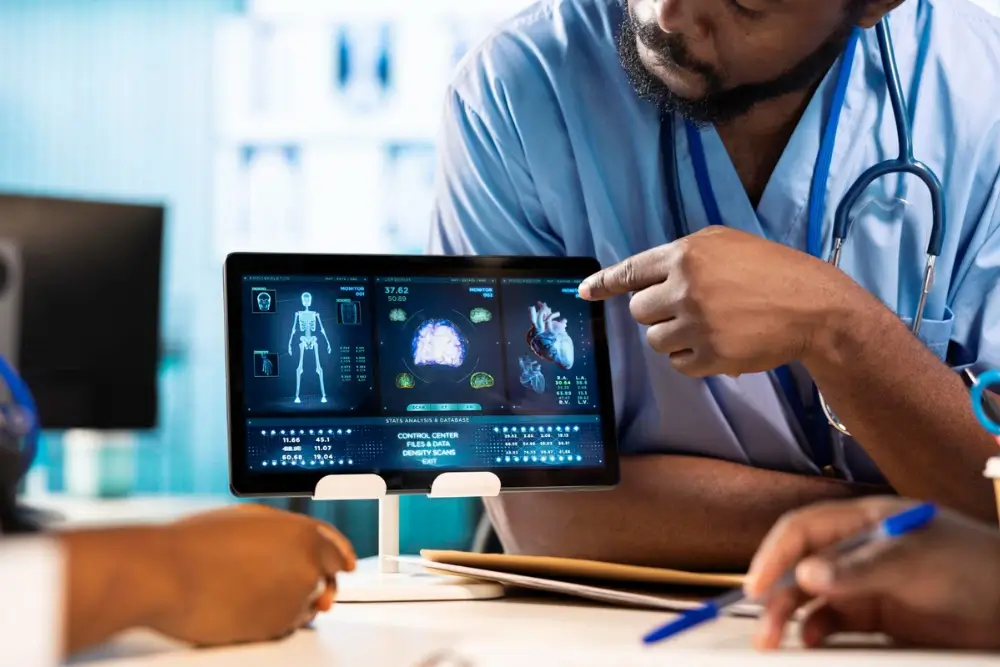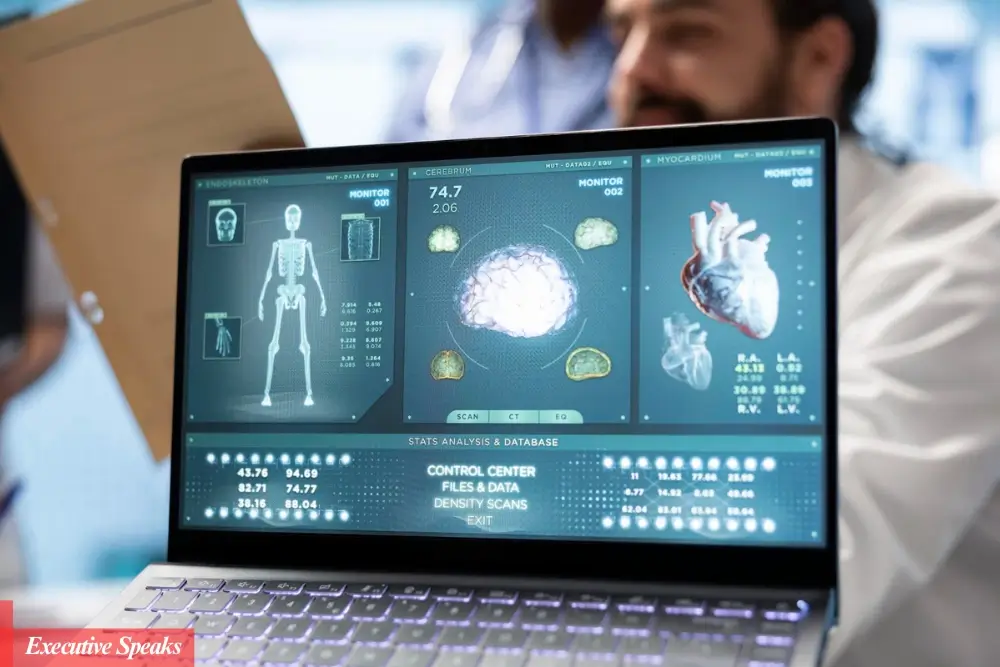
Artificial intelligence (AI) is gaining importance in the sphere of modern medicine, especially when it comes to medical diagnostics. As medical facilities deal with large volumes of clinical data, AI technologies become increasingly successful in the field of fast, accurate, and efficient diagnosis. Whether it is about abnormalities in medical images or treatment planning, AI accelerates the output at each stage of the treatment.
Unlike other approaches to solving healthcare problems, artificial intelligence does not become an alternative to existing facilities. Instead, it serves as a tool that provides additional information concerning patients' clinical data.
How AI Is Improving Disease Detection at Earlier Stages
Early detection can often be key in delivering successful patient outcomes. Certain illnesses such as cancers, heart issues, or neurological problems may be more easily managed if diagnosed at early stages. AI helps examine large amounts of data and detect patterns in data that suggest potential health risks. Modern emerging healthcare technologies can use a wide range of patient data such as history, laboratory findings, genetic data, and other medical records to reveal even slight indications of problems that should receive further attention from doctors.
The Emergence of AI in Medical Imaging and Diagnostics
Artificial Intelligence is becoming popular for many uses related to medical diagnostics. The most developed area where AI-based systems can be used in healthcare relates to imaging studies. Currently, there are numerous cases in which AI technologies help interpret data obtained from X-rays, MRIs, mammograms and ultrasound imaging techniques.
Besides imaging, AI is being used to assist in other investigations as well. These include pathology, lab medicine, and cardiovascular tests, among others. By analysing diagnostic data quickly and effectively, AI streamlines investigations and facilitates more thorough clinical evaluations. The following table illustrates the uses of AI in diagnostic medicine that are most commonly encountered.
|
Medical Branch |
AI Application |
Clinical Benefits |
|
Radiology |
Scan analysis and abnormality detection |
Faster identification of potential concerns |
|
Pathology |
Evaluation of tissue samples |
Improved diagnostic precision, tumour detection |
|
Oncology |
Tumour detection and classification |
More informed treatment planning |
|
Cardiology |
ECG and cardiac imaging analysis |
Earlier risk identification |
How AI Supports More Personalised Planning
A proper diagnosis is just one part of treating patients effectively. Upon recognising a medical condition, doctors need to find an appropriate way to treat the patient. AI helps in determining the best approach to treatment through analysing specific data and discovering trends related to treatment results.
It helps clinicians estimate the level of risk involved and compare various treatment plans to personalise outpatient action for each patient. In certain medical/supermedical specialities, AI is helping introduce precision treatments based on patient-specific information. Treatment becomes much more effective this way.
Benefits of Using AI in Medical Diagnosis
- Early detection of diseases
- Better imaging diagnostics
- Higher accuracy in diagnosing conditions
- Helpful for developing/developing personalised plans
- Facilitates organisational care
The Future of AI-Powered Diagnostics and Patient Care
The coming era of healthcare innovation will see further integration of artificial intelligence throughout the process of diagnosis and treatments. Modern advancements allow integrating results of images and tests, patient history, as well as health data from various devices to come up with more comprehensive diagnostic procedures.
As artificial intelligence develops further, healthcare institutions will be able to offer increasingly proactive personalised solutions. In this regard, artificial intelligence can help detect health risks earlier, support investigations, and make informed treatment decisions that can significantly improve patients' outcomes in various areas of medicine. These advances are also accelerating healthcare automation, helping providers streamline workflows and improve patient care outcomes.
Conclusion
Artificial intelligence changes medical diagnostics for the better through improved disease recognition, investigations, and personal and personalised choices. This technology can prove useful in the spheres of radiology, pathology, cardiology, as well as oncology due to the growing importance of data-driven technologies in healthcare. Overall, the development of artificial intelligence is likely to see the application of this tool expanding from diagnostics to wider use.