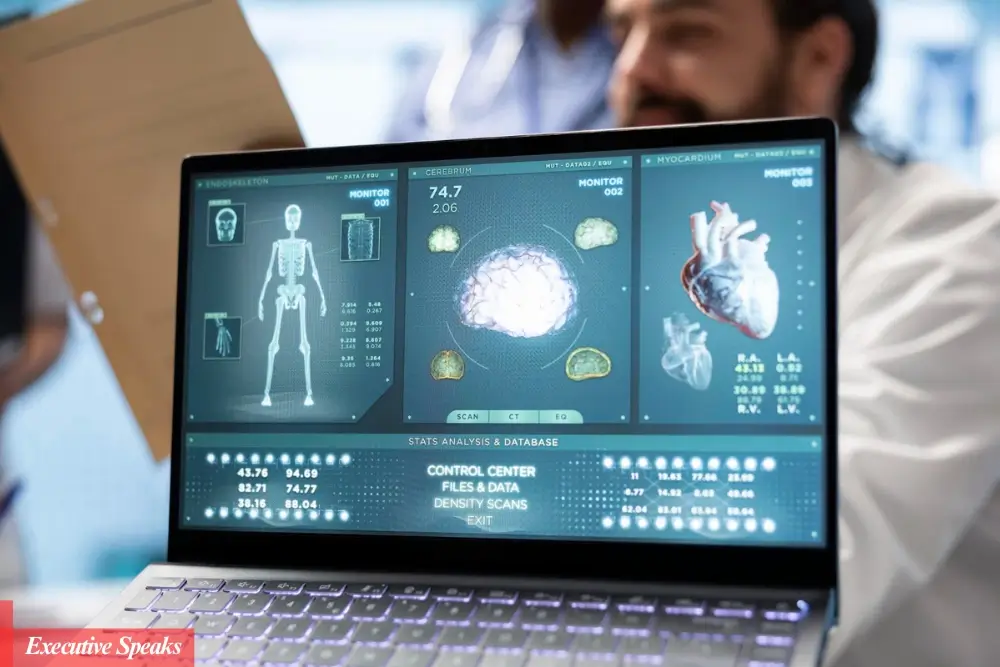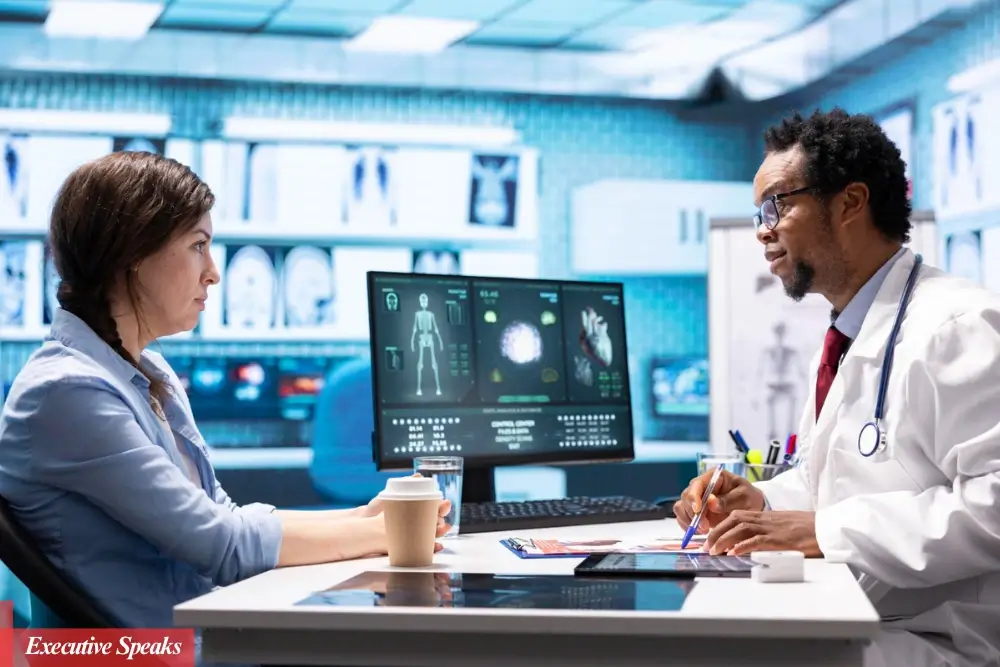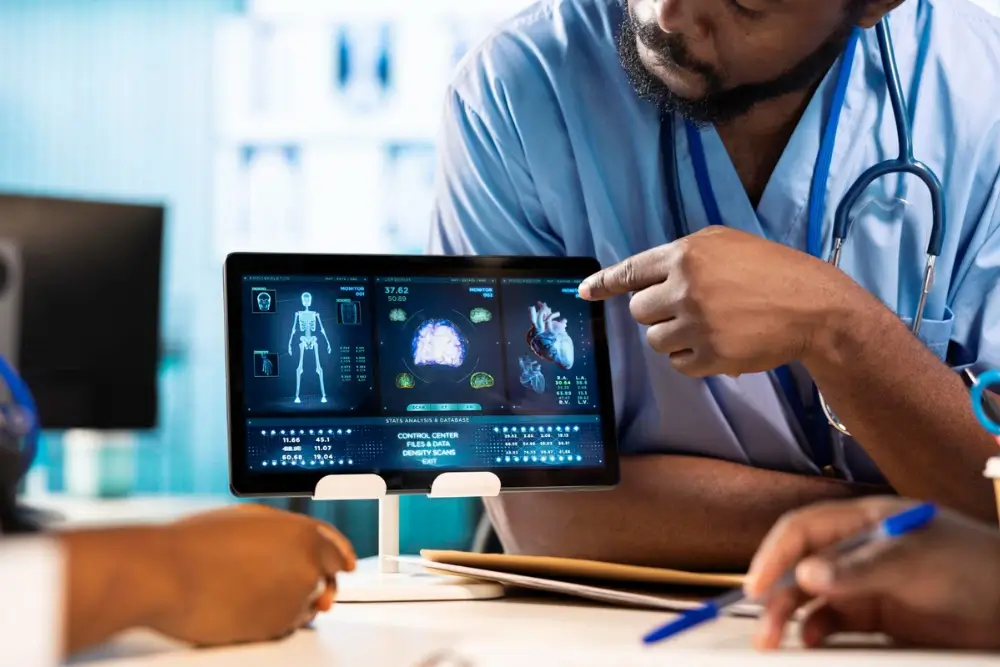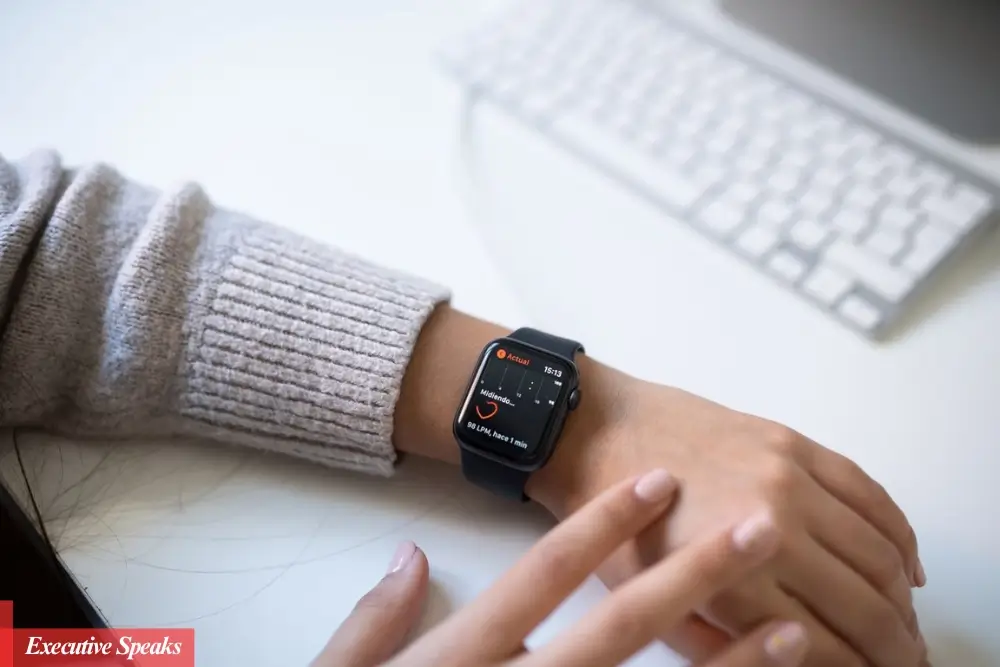
Modern healthcare is much more than what occurs within a clinical setting. Nowadays, there is a considerable amount of monitoring that occurs in the ordinary course of a person's daily activities, whether during exercise, rest, or while working. The development of wearable health devices plays a huge part in this transformation process and represents one of the most influential emerging healthcare technologies shaping modern medicine.
Wearable health devices matter because of the critical information that they provide about a patient's health condition. Doctors can make better decisions due to the availability of the data that comes from a device, which makes sure that patients receive personalized and timely treatment.
Turning Everyday Health Data Into Useful Medical Insights
From one clinical visit to another, a lot of changes can occur to the patient's well-being such as fluctuations in blood pressure, worsening sleep or decreased activity. These small details can become important for the doctors because they reveal serious issues in the course of treatment. Moreover, wearing devices allows us to monitor how things are going outside the hospital and make the process of consultation more productive.
These details give an additional perspective of what is wrong with the patient’s body. For example, when he or she complains about fatigue, wearable data can indicate that poor sleep, low level of activity or even some irregular heart rhythms cause that problem. This way keeping an eye on daily behavior becomes an important factor altogether.
Why Doctors Are Paying Closer Attention to Lifestyle Patterns
In many cases the treatment does not consist of drugs only. The recovery process of some diseases depends on sleep, physical activity, stress level and so on. This data cannot be recorded precisely by the patients but can be gathered via wearable devices.The combination of these details with the reports will allow us to build a full picture and make a better treatment plan.
How Wearables Can Make Early Intervention a Reality
Perhaps one of the most prominent strengths of wearable technology lies in its ability to work fast, allowing healthcare professionals to address any problems immediately. Rather than waiting for the signs to manifest themselves, specific wearables can detect deviations in the condition long before they are noticed by the patients themself.
Early detection of an irregular heart rate, abrupt reduction of oxygen or abnormal increase of glucose can help deliver timely treatment avoiding complications. Nowadays, wearable technology assists health practitioners in providing assistance in various fields:
|
Healthcare Branch |
Wearable Application |
Clinical Value |
|
Cardiology |
Heart rhythm tracking |
Detects irregular cardiac activity early |
|
Diabetes Care |
Continuous glucose monitoring |
Helps maintain stable sugar levels |
|
Respiratory Care |
Oxygen saturation monitoring |
Supports early respiratory intervention |
|
Recovery Monitoring |
Mobility and activity tracking |
Measures healing progress more accurately |
Making Treatment Plans More Personal, Not Just Standard
Patients will never have the same response to the same treatment. This is where wearables become helpful. They help to understand how a patient feels outside of the doctor's office, as part of a short visit there.
In case a patient begins taking some medicine or going through a recovery program, then wearables can tell about improvements in sleep, increased activity level, or reduced occurrence of symptoms. This information allows for timely changes in the treatment and avoids the one-size-fits-all solution.
Key Advantages of Wearable Medical Devices
- Increased insight into patient’s daily well-being
- Early discovery of things that may require medical intervention
- More precise monitoring of chronic diseases
- Higher patient engagement in the treatment process
Recovery After the Discharge From the Hospital
Recovery does not end after leaving the hospital, in many cases the most significant process occurs at home. Wearables continue to make recovery measurable through tracking such processes as movements, quality of sleep, heart rate, and energy levels.
Thus, patients and doctors get an opportunity to understand if the recovery process goes according to plan. Instead of depending on the recollection of the patient during the consultation, doctors have a chance to analyze the data collected by the wearable devices.
Conclusion
It should be stated that wearable devices transform the sphere of medicine. First of all, they provide the opportunity to get the information which has been missed for decades – health data in everyday life.
It allows us to identify the problem at its early stage, to see the patterns of the patient's behavior and to adapt the medical treatment according to his or her condition. As a result, it may be said that with the development of preventive and monitoring healthcare, wearable devices will become a common attribute of clinical services.
Key Takeaways
- The wearables can offer continuous health data beyond conventional healthcare institutions.
- Lifestyle patterns on a daily basis can serve as essential hints towards good health.
- Early warnings can aid in quick medical action.
- Live data can allow for tailored treatment procedures.
- Chronic illnesses and recovery processes can be monitored effectively.