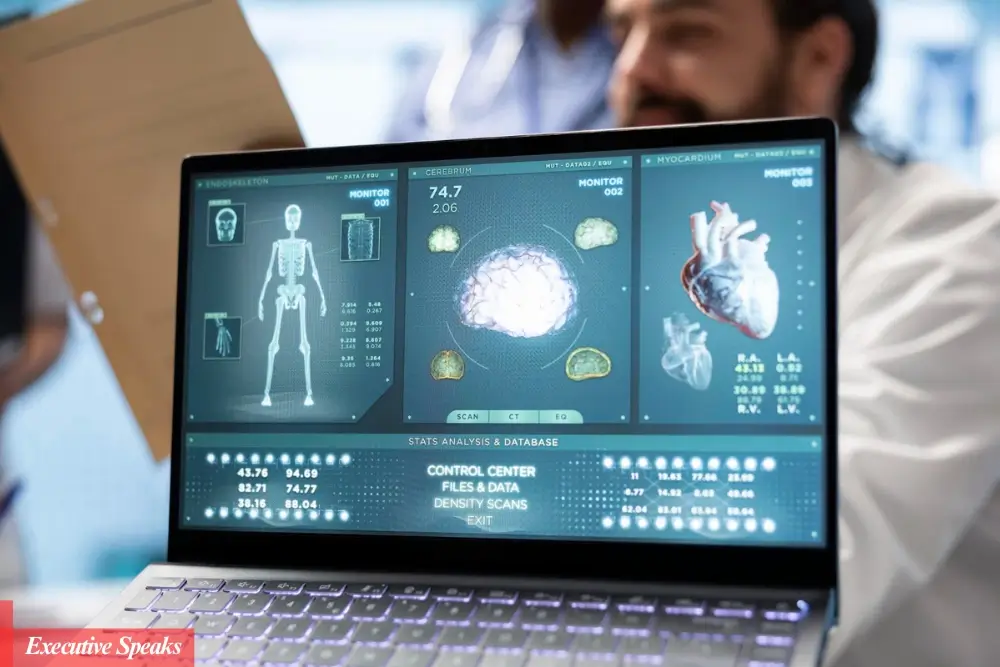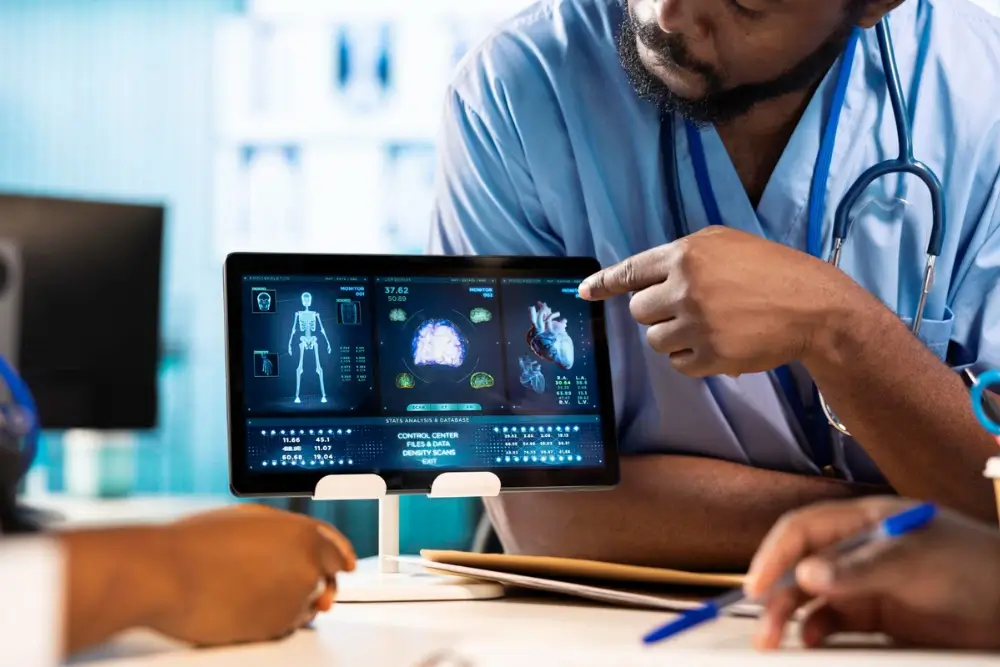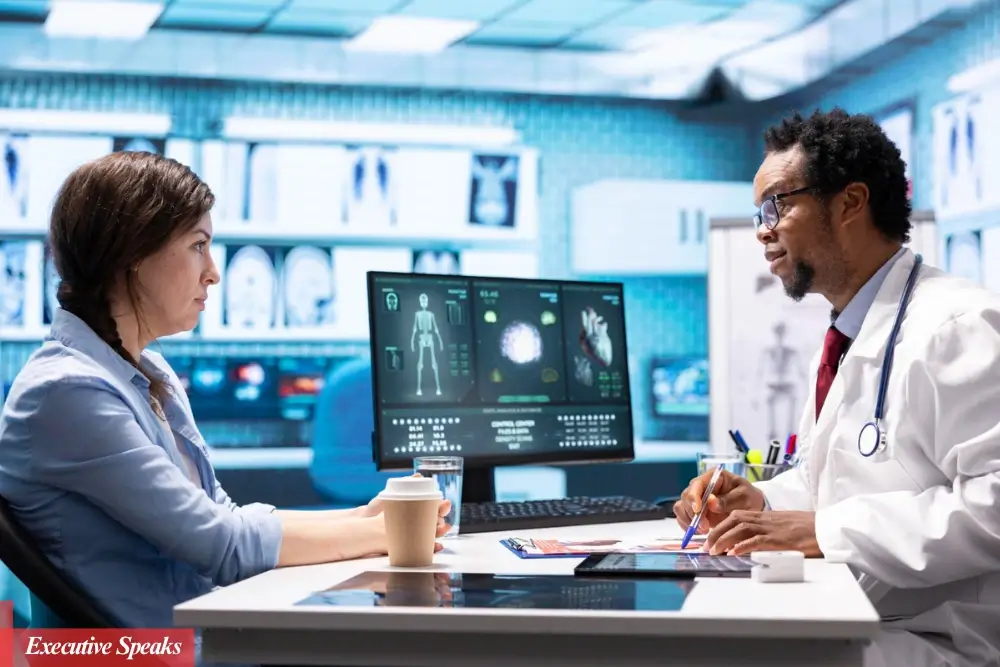
There are some very exciting changes happening in healthcare at the moment. Thanks to technology that allows illnesses to be diagnosed, monitored, and cured in a completely different way from before. It was once an idea for science fiction that one could get medical recommendations without visiting a doctor, monitor their health with smart gadgets, or even use AI to make clinical decisions.
However, in modern conditions when the demand from patients grows, and healthcare systems are expected to produce results, it becomes possible to apply technologies like telemedicine, AI, and wearables to create a better reality of healthcare provision.
How Artificial Intelligence Is Transforming Medical Diagnostics
Artificial Intelligence (AI) is fast becoming one of the most powerful instruments in the current medical field. With its ability to process large amounts of medical information, it enables healthcare practitioners to recognise patterns and trends that are not easily observable with other methods of analysis. AI aids in quick and accurate diagnosis, while minimising errors.
Its applications are currently present in fields like medical imaging, pathology, and clinical decision-making. Sophisticated algorithms will help healthcare professionals recognise abnormalities in medical images and risk factors that could lead to diseases. Instead of substituting healthcare professionals, AI technology improves their efficiency in making the right diagnosis.
The Growing Impact of Telemedicine on Patient Care
Telemedicine has revolutionised the availability of healthcare services to patients who can now reach out to doctors from the comfort of their home without the need to go to a clinic or hospital. Telemedicine has been very beneficial to people who live far away from urban areas, people who have physical disabilities, and patients who need to undergo regular check-ups.
It also aids in minimising wait times and maintaining continuity of treatment. As health care practitioners increasingly embrace online communication technologies, telemedicine has become an important component of healthcare provision.
There are several cutting-edge technologies that are contributing to positive changes within the medical industry. The following table showcases some of the top technologies and their uses.
|
Technology |
Main Application |
Potential Impact |
|
Artificial intelligence |
Diagnostics and clinical decision support |
Faster and more accurate diagnosis |
|
Telemedicine |
Virtual consultations and follow-ups |
Improved access to healthcare |
|
Wearable Health Devices |
Continuous health monitoring |
Earlier detection of health concerns |
|
Predictive Analysis |
Risk assessment and forecasting |
More proactive patient care |
Why Wearable Health Devices Are Becoming Essential Healthcare Tools
Wearable tech has now advanced beyond mere tracking of activities. The latest technology in wearables can track heart rate, sleeping habits, physical activity, blood oxygenation, and numerous other parameters that reflect one's state of health. Such a constant stream of information serves as an indicator of one's current health condition.
On behalf of healthcare providers, the use of wearable technology enables them to collect health statistics on a continual basis instead of just once in a while during the course of an appointment. This may facilitate the early detection of any strange health trend.
Advantages of Wearable Health Devices
- Constant monitoring of key health indicators
- Increased motivation among patients regarding their health issues
- Early detection of possible health problems
- Better handling of diseases
Use of Predictive Analytics in Improving Patient Outcomes
The application of predictive analytics is making it possible for healthcare providers to go beyond treatment of diseases by taking proactive steps. Predictive analytics makes it possible for healthcare organisations to recognise patterns in data which help them predict potential health risks before they become major problems.
It is being utilised to ensure better patient outcomes and reduced readmissions, as well as efficient allocation of resources. With the help of predictive analytics, health facilities are able to identify at-risk patients and take necessary measures in order to avoid any future adverse outcomes.
Conclusion
New technologies in healthcare are influencing the development of medicine by making the service more accessible, data-centric, and patient-focused. Much of this progress is being accelerated through healthcare automation, which helps providers deliver faster, more efficient, and more personalized care. AI increases the accuracy of medical diagnostics, telemedicine makes healthcare available to all, wearable health devices allow patients to monitor their well-being at all times, and predictive analytics allows healthcare institutions to predict potential problems before they arise.
Although many issues exist concerning data privacy, protection, and implementation of technology solutions, there can be no doubt about their significance for healthcare. The use of new technologies by organisations will ensure the effectiveness of work and success in the future.
Key Takeaways
- AI technologies increase the efficiency of diagnostics in medicine.
- Telemedicine brings healthcare closer to the patient and makes the process more comfortable.
- Health wearables enable continuous patient monitoring.
- Predictive analytics can predict health risks.