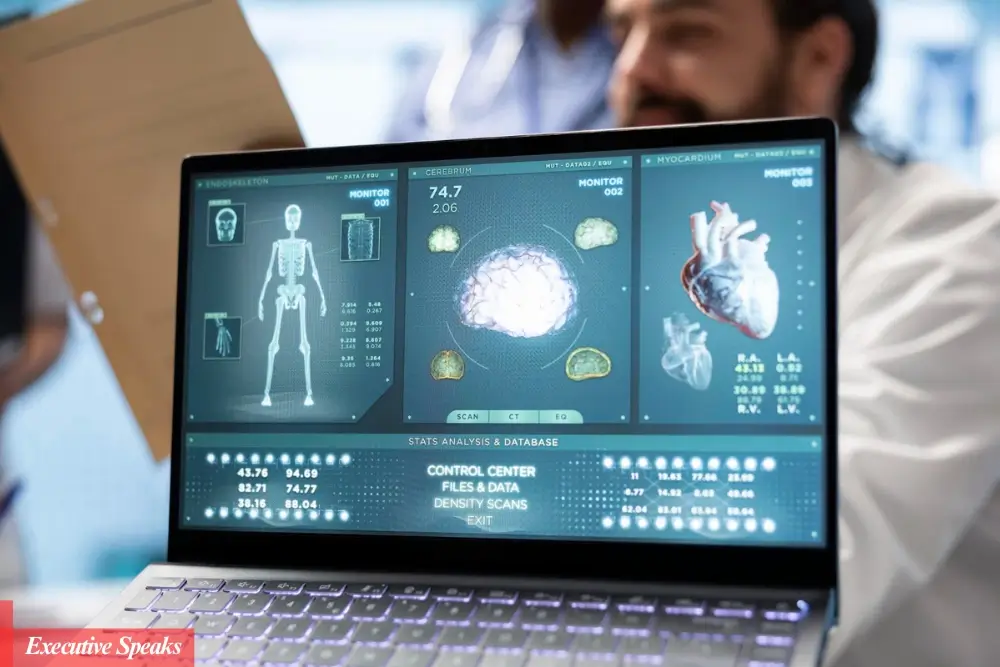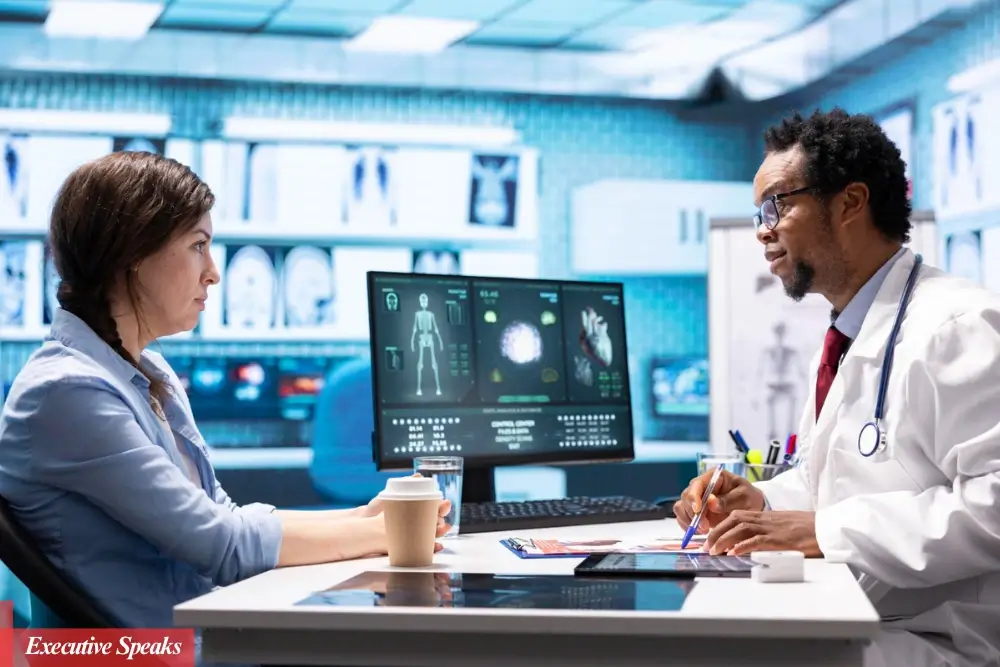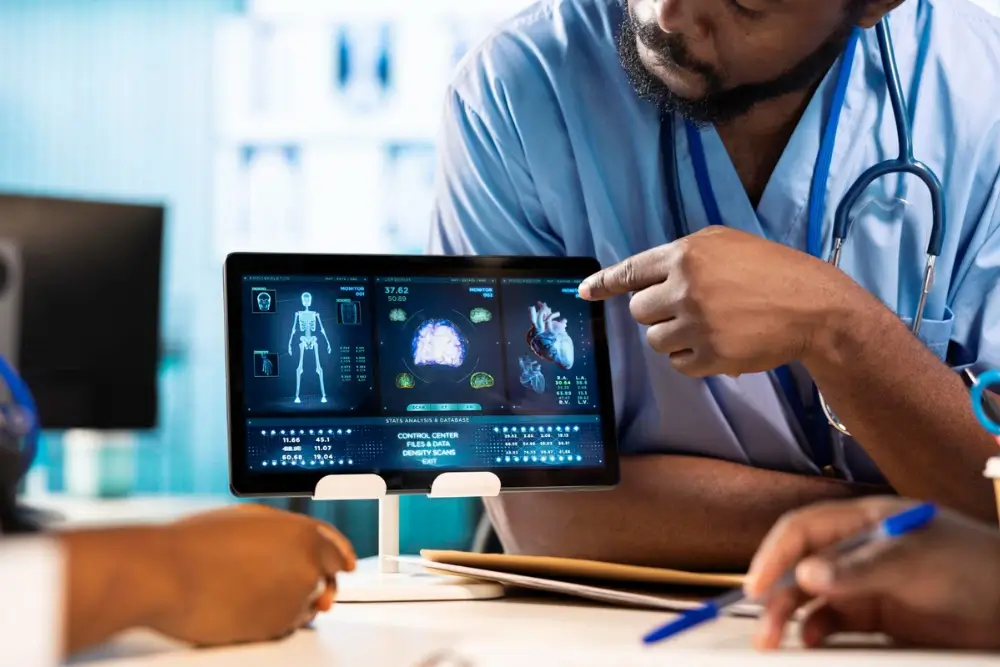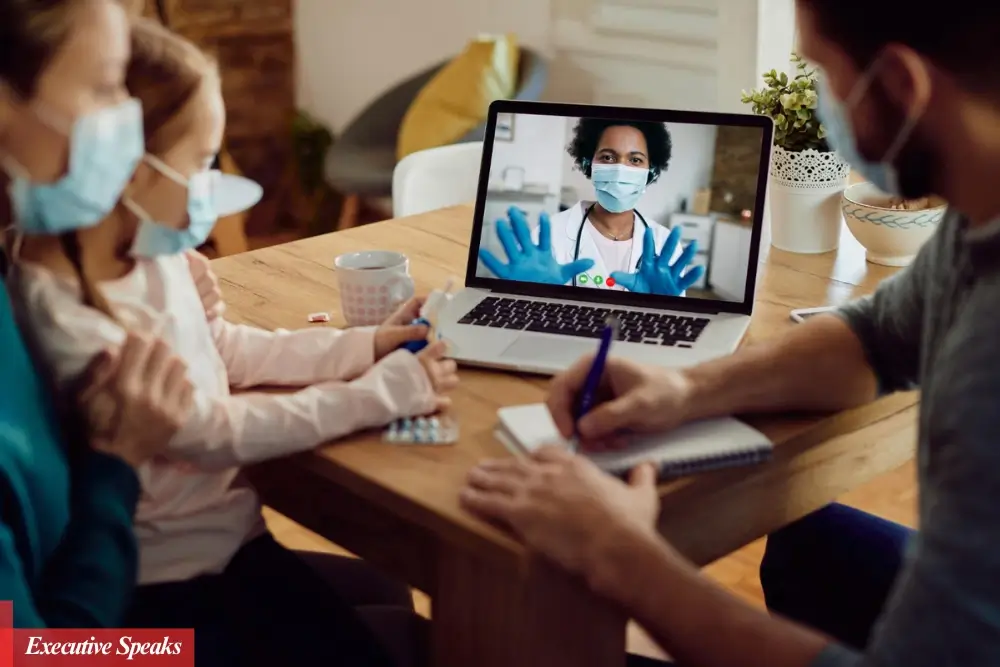
The role of telemedicine has changed significantly. From being just a convenient healthcare system to an important constituent of modern healthcare practices, it has come a long way to drive noticeable transformations. Telemedicine helps connect health workers and patients through remote consultations and helps in monitoring patients.
Hence, it plays an important role in making healthcare accessible by overcoming various challenges like geographical distance, travel time, and other logistical issues that come along with traditional healthcare practices. Today, telemedicine is considered one of the most impactful emerging healthcare technologies transforming patient care. It has become a prominent aspect of modern-day digital healthcare. Whether it's virtual consultations or disease management, it has amazed the sector with unparalleled features.
Breaking Geographic Barriers to Healthcare Access
It is not always easy for people to get good healthcare services if they live in a rural area, an area away from the main cities, or where health facilities are not well developed. Many times, patients will have to travel far away to see a specialist doctor. Or even if they are busy with work schedules, they tend to procrastinate on the fixed appointments distant from their residence.
Thus, telemedicine is helpful because it ensures that there is connectivity between the patient and the doctor via digital communication platforms. It means the patient will be able to get medical guidance and advice without having to be physically present at the healthcare facility.
How Virtual Follow-Ups Are Improving Continuity of Care
However, healthcare is not just about the process of making a diagnosis or a treatment plan; many patients require further consultations on recovery status, medication issues, test results, and general advice on their health status. In most cases, such follow-ups require personal visits to doctors, which consumes much time and probably a day off from work or other routine.
Virtual follow-ups make the whole procedure more convenient but without sacrificing any benefits for the patient's health. Regular consultations with your healthcare provider will allow keeping track of your condition and prevent complications before they appear. And telemedicine makes this possible even before you face the real challenges.
Where Telemedicine Delivers the Greatest Clinical Value
Telemedicine is currently utilised in various forms of health care, increasing efficiency in numerous sectors of the system.
|
Healthcare Services |
How Telemedicine Is Used |
Patient Benefit |
|
Primary care |
Virtual consultations for common health concerns |
Faster access to medical advice |
|
Chronic Disease Management |
Remote monitoring and routine reviews |
Better condition management |
|
Mental Health Services |
Online counselling and therapy sessions |
Improved accessibility and convenience |
|
Specialist Consultations |
Remote referrals and expert evaluations |
Access to specialised care without travel |
Why Remote Monitoring Is Changing Chronic Disease Management
Chronic illnesses such as diabetes, high blood pressure, heart disease, and breathing disorders need consistent evaluation and communication with health practitioners. For effective treatment of these illnesses, detecting any changes in physical condition before a complication appears is critical.
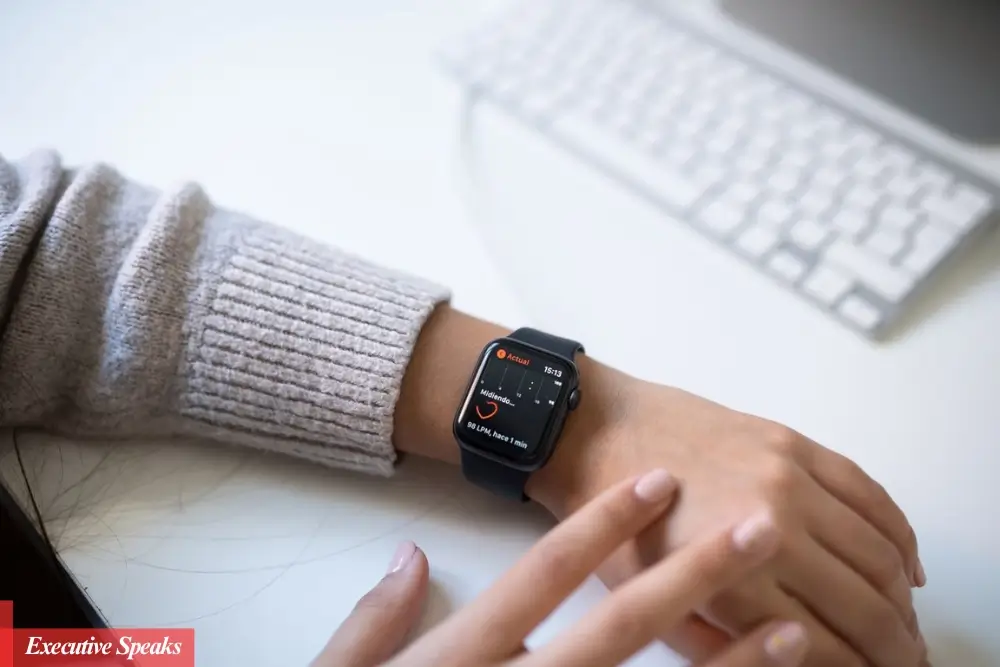
Remote monitoring makes it possible for patients to transmit health data, including their blood pressure levels, blood sugar, heart rate, and oxygen content, from the comfort of their homes. Health care providers have an opportunity to evaluate such data between meetings and adjust treatment options if necessary.
Advantages of Telemonitoring
- Early detection of possible health problems
- Enhanced management of chronic illnesses
- Improvement in communication between patients and healthcare providers
- More evidence-based healthcare practices
- Fewer trips for consultations
The Role of Telemedicine in Creating a More Connected Patient Experience
Patient engagement plays a vital role in positive healthcare results. Engaged patients are those who are able to communicate effectively with doctors, receive advice from them, and be involved in the course of treatment.
This is facilitated through telemedicine because it makes medical consultations more accessible for people. Effective use of digital communication technologies and appointments helps keep patients engaged in healthcare, revolutionising the process of taking care of their physical and mental health.
Conclusion
Telemedicine is improving healthcare by providing accessibility and connectivity to medical services. It provides solutions that ensure that clinical services are more readily available to patients and address emerging healthcare needs such as chronic illness management and emergency attacks.
As technological advancements continue in the field of digital health, telemedicine will be the future of the healthcare sector. The patient-centred convenience provided by patient-centred elements will prove to be a better approach towards community medicine as well.
Key Takeaways
- Telemedicine enhances access to healthcare irrespective of patients' locations.
- Remote communication supports continuity of care and interaction between patients and healthcare practitioners.
- A variety of services can be delivered via telemedicine, such as primary healthcare, mental healthcare, and specialist consultations.
- Remote monitoring enables the effective management of chronic illnesses using real-time data collection.
- Digital healthcare services are enhancing accessibility to healthcare services.